Why seasonal prep matters in Charlotte
Charlotte homes ride heavy weather swings. Spring rains, summer storms, and even winter squalls can push water into places it shouldn’t be. A proactive approach lowers the risk of hidden moisture and the need for larger restoration projects down the line. Our restoration specialists see the same patterns year after year and want homeowners to stay ahead.
Seasonal checks aren’t dramatic. They’re targeted, practical steps you can do yourself or with minimal help. The goal is to catch issues early and keep interior spaces dry and safe.
Spring and early summer: focus on leaks and irrigation edges
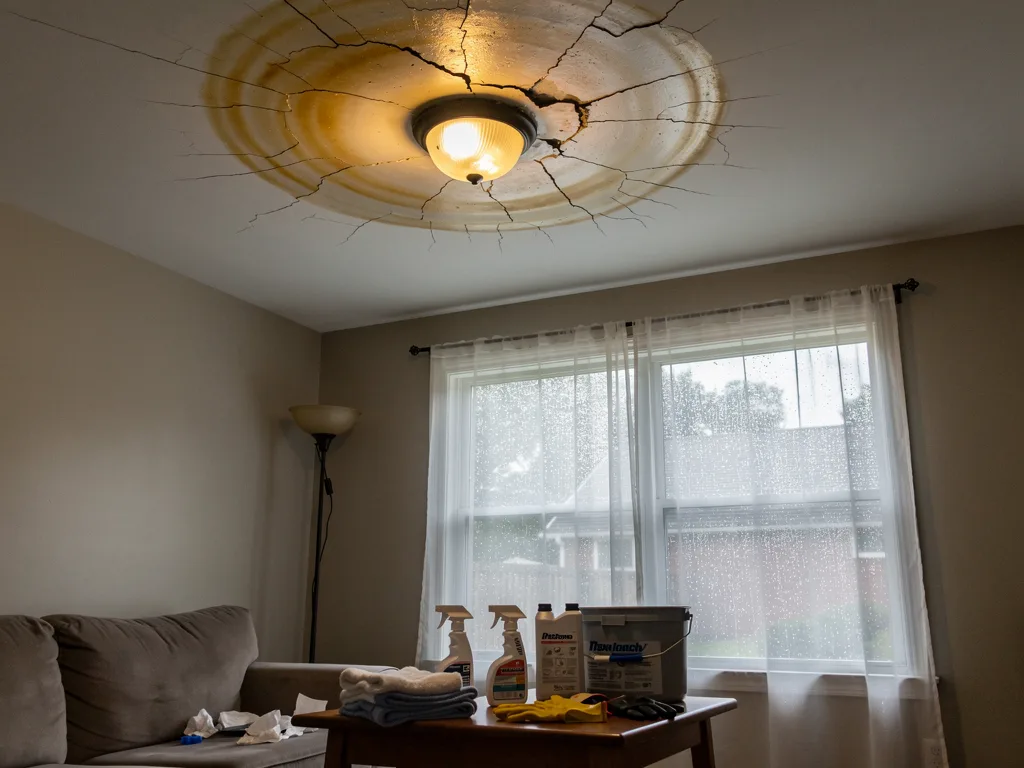
Inspect the roof line where it meets exterior walls and clear any debris from gutters. A clogged gutter can push water toward the fascia and into the attic. Look for light showing through the attic floor or small staining along the ceiling near the eaves after a rain. If you spot anything unusual, arrange a quick inspection with our restoration specialists who can pinpoint the moisture path and plan remediation if needed.
Check around exterior doors and windows for gaps. Weather stripping may need replacement, and small gaps should be sealed to keep indoor humidity lower. A quick caulk job and proper sealing can prevent water intrusion during hefty downpours.
Summer through early fall: monitor air movement and humidity
Humidity spikes are common in hot, muggy Charlotte summers. Use a simple hygrometer in living spaces near kitchens and baths. If you see sustained humidity above 60 percent, consider running a dehumidifier or improving ventilation. Poor circulation invites mold and dampness that can mask itself behind walls and under floors.
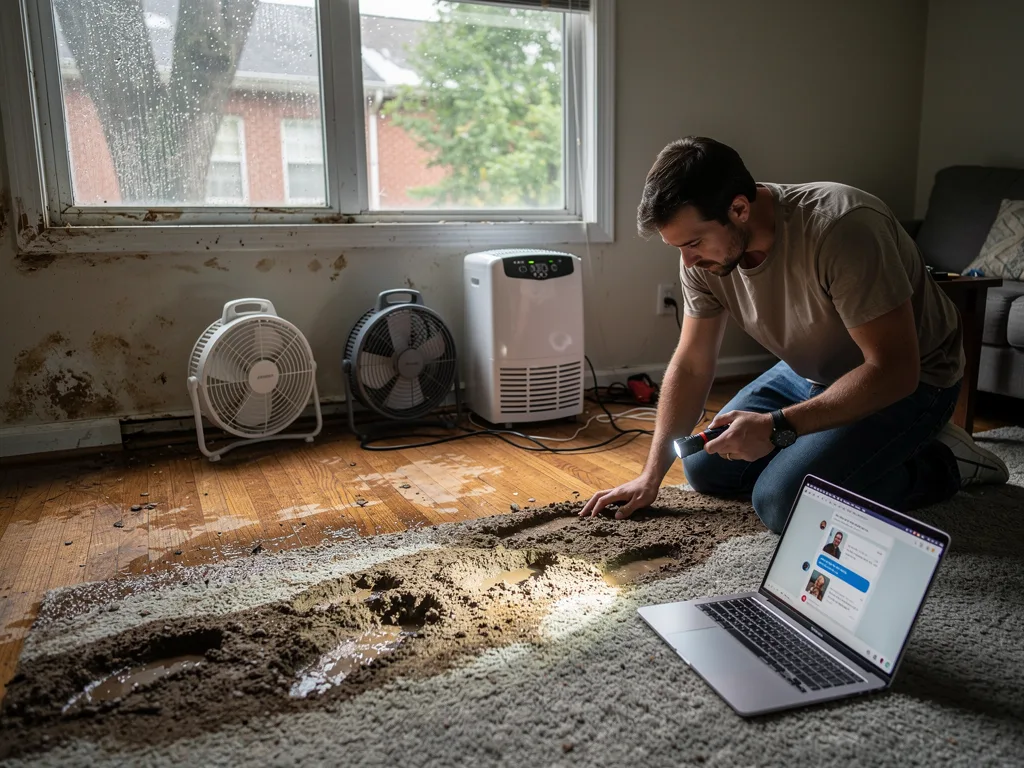
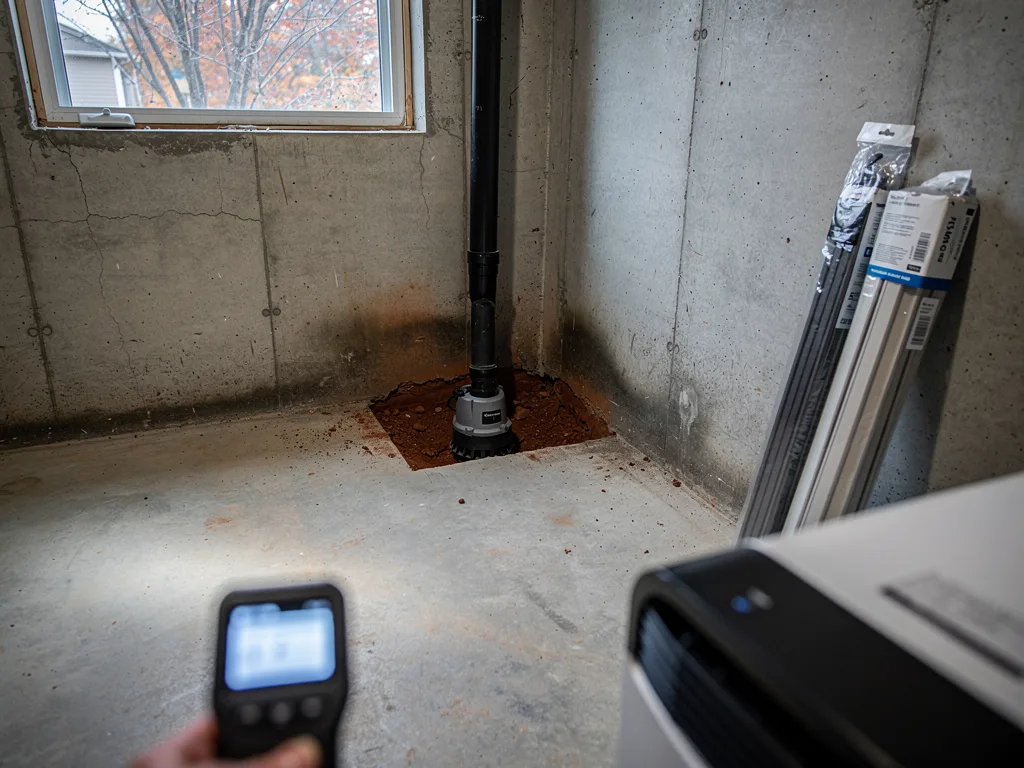
Check in the basement or crawlspace for dampness after heavy storms. Look for standing water or a musty odor. If you see anything troubling, call our restoration specialists to evaluate moisture levels and outline a plan to dry and restore without disruption to your daily life.
Fall and winter: protect pipes and seals
Cold snaps in Charlotte can stress pipes and seals. Keep a steady thermostat to avoid freezing pipes and open cabinet doors near plumbing to let warm air circulate. If you’re away from home during cold spells, set the thermostat or have someone check in occasionally so pipes stay warm enough to prevent freezing.
Exterior walls and foundations should be free of cracks. Seal any gaps around siding, pipes, and exterior fixtures. If you notice damp patches after a thaw or a hard freeze, contact a restoration specialist to assess potential moisture and begin a targeted drying plan.
Bottom line for Charlotte homes
A regular, practical routine keeps water damage from slipping into your routine. If you’re ever unsure, a no-pressure call to Charlotte Water Damage helps you decide the right next step. We can guide you through a simple seasonal checklist and schedule a quick inspection when needed.